By: Christel Broederlow What is an empath? Being an empath is when you are affected by other people’s energies,
and have an innate ability to intuitively feel and perceive others.
Your life is unconsciously influenced by others’ desires, wishes,
thoughts, and moods. Being an empath is much more than being highly
sensitive and it’s not just limited to emotions. Empaths can perceive
physical sensitivities and spiritual urges, as well as just knowing the
motivations and intentions of other people. You either are an empath or
you aren’t. It’s not a trait that is learned. You are always open, so
to speak, to process other people’s feelings and energy, which means
that you really feel, and in many cases take on the emotions of others.
Many empaths experience things like chronic fatigue, environmental
sensitivities, or unexplained aches and pains daily. These are all
things that are more likely to be contributed to outside influences and
not so much yourself at all. Essentially you are walking around in this
world with all of the accumulated karma, emotions, and energy from
others. Empaths are often quiet achievers. They can take a while to handle a
compliment for they’re more inclined to point out another’s positive
attributes. They are highly expressive in all areas of emotional
connection, and talk openly, and, at times quite frankly. They may have
few problems talking about their feelings if another cares to listen
(regardless of how much they listen to others). However, they can be the exact opposite: reclusive and apparently
unresponsive at the best of times. They may even appear ignorant. Some
are very good at “blocking out” others and that’s not always a bad
thing, at least for the learning empath struggling with a barrage of
emotions from others, as well as their own feelings. Empaths have a tendency to openly feel what is outside of them more
so than what is inside of them. This can cause empaths to ignore their
own needs. In general an empath is non-violent, non-aggressive and leans
more towards being the peacemaker. Any area filled with disharmony
creates an uncomfortable feeling in an empath. If they find themselves
in the middle of a confrontation, they will endeavor to settle the
situation as quickly as possible, if not avoid it all together. If any
harsh words are expressed in defending themselves, they will likely
resent their lack of self-control, and have a preference to peacefully
resolve the problem quickly. Empaths are more inclined to pick up another’s feelings and project
it back without realizing its origin in the first place. Talking things
out is a major factor in releasing emotions in the learning empath.
Empaths can develop an even stronger degree of understanding so that
they can find peace in most situations. The downside is that empaths may
bottle up emotions and build barriers sky-high so as to not let others
know of their innermost thoughts and/or feelings. This withholding of
emotional expression can be a direct result of a traumatic experience,
an expressionless upbringing, or simply being told as a child, “Children
are meant to be seen and not heard!” Without a doubt, this emotional withholding can be detrimental to
one’s health, for the longer one’s thoughts and/or emotions aren’t
released, the more power they build. The thoughts and/or emotions can
eventually becoming explosive, if not crippling. The need to express
oneself honestly is a form of healing and a choice open to all. To not
do so can result in a breakdown of the person and result in
mental/emotional instability or the creation of a physical ailment,
illness or disease. Empaths are sensitive to TV, videos, movies, news and broadcasts.
Violence or emotional dramas depicting shocking scenes of physical or
emotional pain inflicted on adults, children or animals can bring an
empath easily to tears. At times, they may feel physically ill or choke
back the tears. Some empaths will struggle to comprehend any such
cruelty, and may have grave difficulty in expressing themselves in the
face of another’s ignorance, closed-mindedness and obvious lack of
compassion. They simply cannot justify the suffering they feel and see. You will find empaths working with people, animals or nature with a
true passion and dedication to help them. They are often tireless
teachers and/or caretakers for our environment and all within it. Many
volunteers are empathic and give up personal time to help others without
pay and/or recognition. Empaths may be excellent storytellers due to an endless imagination,
inquisitive minds and ever-expanding knowledge. They can be old
romantics at heart and very gentle. They may also be the “keepers” of
ancestral knowledge and family history. If not the obvious family
historians, they may be the ones who listen to the stories passed down
and possess the majority of the family history. Not surprisingly, they
may have started or possess a family tree. They have a broad interest in music to suit their many expressive
temperaments, and others can query how empaths can listen to one style
of music, and within minutes, change to something entirely different.
Lyrics within a song can have adverse, powerful effects on empaths,
especially if it is relevant to a recent experience. In these moments,
it is advisable for empaths to listen to music without lyrics, to avoid
playing havoc with their emotions! They are just as expressive with body language as with words,
thoughts, and feelings. Their creativity is often expressed through
dance, acting, and bodily movements. Empaths can project an incredible
amount of energy portraying and/or releasing emotion. Empaths can become
lost in the music, to the point of being in a trance-like state; they
become one with the music through the expression of their physical
bodies. They describe this feeling as a time when all else around them
is almost non-existent. People of all walks of life and animals are attracted to the warmth
and genuine compassion of empaths. Regardless of whether others are
aware of one being empathic, people are drawn to them as a metal object
is to a magnet! Even complete strangers find it easy to talk to empaths about the
most personal things, and before they know it, they have poured out
their hearts and souls without intending to do so consciously. It is as
though on a sub-conscious level that person knows instinctively that
empaths would listen with compassionate understanding. Then again, for
empaths, it is always nice to actually be heard themselves! Here are the listeners of life. They can be outgoing, bubbly,
enthusiastic and a joy to be in the presence of, as well as highly
humorous at the most unusual moments! On the flip side, empaths can be
weighted with mood swings that will have others around them want to jump
overboard and abandon ship! The thoughts and feelings empaths receive
from any and all in their life can be so overwhelming (if not
understood) that their moods can fluctuate with lightning speed. One
moment they may be delightfully happy and with a flick of the switch,
miserable. Abandoning an empath in the throes of alternating moods can create
detrimental effects. A simple return of empathic love–listening and
caring compassionately without bias, judgment and/or condemnation–can go
an incredibly long way to an empath’s instant recovery. Many empaths
don’t understand what is occurring within them. They literally have no
idea that another person’s emotions are now felt, as one’s own and
reflected outwardly. They are confused as to how one moment all was
well, and then the next, they feel so depressed, alone, etc. The need to
understand the possibilities of empath connection is a vital part of
the empaths journey for themselves and for those around them. Empaths are often problem solvers, thinkers, and studiers of many
things. As far as empaths are concerned, where a problem is, so too is
the answer. They often will search until they find one – if only for
peace of mind. This can certainly prove beneficial for others in their
relationships, in the workplace, or on the home front. Where there is a
will, there is a way and the empath will find it. The empath can
literally (likely without the knowledge of what’s actually occurring)
tap into Universal Knowledge and be receptive to guidance in solving
anything they put their head and hearts into. Empaths often are vivid and/or lucid dreamers. They can dream in
detail and are inquisitive of dream content. Often they feel as though
the dreams are linked to their physical life somehow, and not just a
mumble of nonsensical, irrelevant, meaningless images. This curiosity
will lead many empathic dreamers to unravel some of the “mysterious”
dream contents from an early age and connect the interpretation to its
relevance in their physical life. If not, they may be led to dream
interpretations through other means. Empaths are daydreamers with difficulty keeping focused on the
mundane. If life isn’t stimulating, off an empath will go into a
detached state of mind. They will go somewhere, anywhere, in a thought
that appears detached from the physical reality, yet is alive and active
for they really are off and away. If a tutor is lecturing with little
to no emotional input, empaths will not be receptive to such teaching
and can (unintentionally) drift into a state of daydreaming. Give the empath student the tutor who speaks with stimuli and emotion
(through actual experience of any given subject) and the empath is
receptively alert. Empaths are a captivated audience. This same
principle applies in acting. An actor will either captivate the audience
through expressing (in all aspects) emotions (as though they really did
experience the role they are portraying) or will loose them entirely.
Empaths make outstanding actors. Empaths frequently experience déjà vu and synchronicities. What may
initially start as, “Oh, what a coincidence”, will lead to the
understanding of synchronicities as an aspect of who they are. These
synchronicities will become a welcomed and continually expanding
occurrence. As an understanding of self grows, the synchronicities
become more fluent and free flowing. The synchronicities can promote a
feeling of euphoria as empaths identify with them and appreciate the
connection to their empathic nature. Empaths are most likely to have had varying paranormal experiences
throughout their lives. NDE’s (Near death experiences) and or OBE’s (Out
of body experiences) can catapult an unaware empath into the awakening
period and provide the momentum for a journey of discovery. Those who
get caught up in life, in society’s often dictating ways, in work etc.,
can become lost in a mechanical way of living that provides very little
meaning. All “signs of guidance” are ignored to shift out of this state
of “doing”. A path to being whole again becomes evident and a search for
more meaning in one’s life begins. These types of experiences appear dramatic, can be life-altering
indeed, and are most assuredly just as intensely memorable in years to
come. They are the voice of guidance encouraging us to pursue our
journey in awareness. Sometimes, some of us require that extra
assistance! For some empaths, the lack of outside understanding towards
paranormal events they experience, may lead to suppressing such
abilities. (Most of these abilities are very natural and not a
coincidence.) Empaths may unknowingly adopt the positive or negative
attitude of others as their own. (This, however, can be overcome.)
Empaths may need to follow interests in the paranormal and the
unexplained with curiosity so as to explain and accept their life
circumstances. Here are 30 of the most common traits: 1. Knowing: Empaths just know stuff, without being told. It’s a
knowing that goes way beyond intuition or gut feelings, even though that
is how many would describe the knowing. The more attuned they are the
stronger this gift becomes. 2. Being in public places can be overwhelming: Places like shopping
malls, supermarkets or stadiums where there are lots of people around
can fill the empath with turbulently vexed emotions that are coming from
others. 3. Feeling others emotions and taking them on as your own: This is a
huge one for empaths. To some they will feel emotions off those near by
and with others they will feel emotions from those a vast distance away,
or both. The more adept empath will know if someone is having bad
thoughts about them, even from great distance. 4. Watching violence, cruelty or tragedy on the TV is unbearable: The
more attuned an empath becomes the worse it is and may make it so they
eventually have to stop watching TV and reading newspapers altogether. 5. You know when someone is not being honest: If a friend or a loved
one is telling you lies you know it (although many empaths try not to
focus on this because knowing a loved one is lying can be painful). Or
if someone is saying one thing but feeling/thinking another, you know. 6. Picking up physical symptoms off another: An empath will almost
always develop the ailments off another (colds, eye infections, body
aches and pains) especially those they’re closest to, somewhat like
sympathy pains. 7. Digestive disorders and lower back problems: The solar plexus
chakra is based in the centre of the abdomen and it’s known as the seat
of emotions. This is where empaths feel the incoming emotion of another,
which can weaken the area and eventually lead to anything from stomach
ulcers to IBS (too many other conditions to list here). Lower back
problems can develop from being ungrounded (amongst other things) and
one, who has no knowledge of them being an empath, will almost always be
ungrounded. 8. Always looking out for the underdog: Anyone whose suffering, in
emotional pain or being bullied draws an empath’s attention and
compassion. 9. Others will want to offload their problems on you, even strangers:
An empath can become a dumping ground for everyone else’s issues and
problems, which, if they’re not careful can end up as their own. 10. Constant fatigue: Empaths often get drained of energy, either
from energy vampires or just taking on too much from others, which even
sleep will not cure. Many get diagnosed with ME. 11. Addictive personality: Alcohol, drugs, sex, are to name but a few
addictions that empaths turn to, to block out the emotions of others.
It is a form of self protection in order to hide from someone or
something. 12. Drawn to healing, holistic therapies and all things metaphysical:
Although many empaths would love to heal others they can end up turning
away from being healers (even though they have a natural ability for
it), after they’ve studied and qualified, because they take on too much
from the one they are trying to heal. Especially if they are unaware of
their empathy. Anything of a supernatural nature is of interest to
empaths and they don’t surprise or get shocked easily. Even at the
revelation of what many others would consider unthinkable, for example,
empaths would have known the world was round when others believed it was
flat. 13. Creative: From singing, dancing, acting, drawing or writing an
empath will have a strong creative streak and a vivid imagination. 14. Love of nature and animals: Being outdoors in nature is a must for empaths and pets are an essential part of their life. 15. Need for solitude: An empath will go stir-crazy if they don’t get quiet time. This is even obvious in empathic children. 16. Gets bored or distracted easily if not stimulated: Work, school
and home life has to be kept interesting for an empath or they switch
off from it and end up daydreaming or doodling. 17. Finds it impossible to do things they don’t enjoy: As above.
Feels like they are living a lie by doing so. To force an empath to do
something they dislike through guilt or labelling them as idle will only
serve in making them unhappy. It’s for this reason many empaths get
labelled as being lazy. 18. Strives for the truth: This becomes more prevalent when an empath
discovers his/her gifts and birthright. Anything untruthful feels plain
wrong. 19. Always looking for the answers and knowledge: To have unanswered
questions can be frustrating for an empath and they will endeavour to
find an explanation. If they have a knowing about something they will
look for confirmation. The downside to this is an information overload. 20. Likes adventure, freedom and travel: Empaths are free spirits. 21. Abhors clutter: It makes an empath feel weighed down and blocks the flow of energy. 22. Loves to daydream: An empath can stare into space for hours, in a world of their own and blissfully happy. 23. Finds routine, rules or control, imprisoning: Anything that takes
away their freedom is debilitating to an empath even poisoning. 24. Prone to carry weight without necessarily overeating: The excess
weight is a form of protection to stop the negative incoming energies
having as much impact. 25. Excellent listener: An empath won’t talk about themselves much
unless it’s to someone they really trust. They love to learn and know
about others and genuinely care. 26. Intolerance to narcissism: Although kind and often very tolerant
of others, empaths do not like to be around overly egotistical people,
who put themselves first and refuse to consider another’s feelings or
points of view other than their own. 27. The ability to feel the days of the week: An empath will get the
‘Friday Feeling’ if they work Fridays or not. They pick up on how the
collective are feeling. The first couple of days of a long, bank holiday
weekend (Easter for example) can feel, to them, like the world is
smiling, calm and relaxed. Sunday evenings, Mondays and Tuesdays, of a
working week, have a very heavy feeling. 28. Will not choose to buy antiques, vintage or second-hand: Anything
that’s been pre-owned carries the energy of the previous owner. An
empath will even prefer to have a brand new car or house (if they are in
the financial situation to do so) with no residual energy. 29. Sense the energy of food: Many empaths don’t like to eat meat or
poultry because they can feel the vibrations of the animal (especially
if the animal suffered), even if they like the taste. 30. Can appear moody, shy, aloof, disconnected: Depending on how an
empath is feeling will depend on what face they show to the world. They
can be prone to mood swings and if they’ve taken on too much negative
will appear quiet and unsociable, even miserable. An empath detests
having to pretend to be happy when they’re sad, this only adds to their
load (makes working in the service industry, when it’s service with a
smile, very challenging) and can make them feel like scuttling under a
stone. If you can say yes to most or all of the above then you are most definitely an empath. Empaths are having a particularly difficult time at the present time,
picking up on all the negative emotions that are being emanated into
the world from the populace.
Official FACTS on Vaccines Monday 17th July, 2009, Awareness Leaflet
(For a pdf version of this awareness leaflet please email me at melissashort@live.com.au :-)
Ingredients in Current Vaccines: Monosodium glutamate (MSG) Aluminium hydroxide Borax Aluminium hydroxide/phosphate Aluminium phosphate Polymyxin Gentamicin (An Anti-biotic) Kanamycin Neomycin Formaldehyde (known carcinogen) Phenol Thiomersal Egg protein (including avian contaminant viruses) Phenoxyethanol Yeast Gelatin (known to cause allergic reactions & anaphylaxis) Adverse events following immunization: Toxic shock syndrome Encephalitis Orchitis Acute flaccid paralysis Allergic reaction Anaphylaxis Death Screaming (persistent) Brachial neuritis Seizure Arthritis Vasovagal episode (syncope, faint) Disseminated BCG Meningitis Rash Guillain-Barré Syndrome (GBS) Encephalopathy Fever Sepsis Thrombocytopenia Paralytic poliomyelitis Osteitis Syncope Extensive limb swelling Panencephalitis Fainting Parotitis Subacute sclerosing Intussusception Nodule Arthralgia Hypotonic–hypo responsive episode Lymphadenitis Osteomyelitis Autism Formaldehyde,
A Harmful Chemical! - Formaldehyde can cause skin and nasal
irritations, asthma, and other respiratory problems, and has been linked
to lung cancer and leukaemia. It can be inhaled through tobacco smoke,
gas fires and cookers.
Other countries of Europe followed
suit. Once the economic implications of compulsory vaccinations were
realized, few dared to disagree. Then, as now, the media were controlled
by the vaccine manufacturers and the government, who stood to make huge
money from the sale of these spurious vaccines."... Tim O'Shea, D.C.
Vaccine
Maker Accountability for Harmful Side Effects… - Up until recently
Vaccine Makers were protected from all accountability, unless "criminal
intent to do harm" can be proven by the injured party. They were
protected from liability even if they know the drug will be harmful. Currently new legislation is passing that gives Vaccine Makers no Accountability, Zero!
It
is a fact that Vaccines have harmed an alarming amount of children in
particular. One example is in 1999. After the number of immunizations
rose to 12 to 15 per child, the public finally became privy to the
possible dangers of thimerosal. One 1999 study revealed that some
infants, due to a genetic or developmental factor, lack the ability to
eliminate mercury. Trace amounts of mercury in these infants, when
accumulated over several vaccines, could pose a severe health risk. Some
vaccines, such as vaccines for hepatitis B, contained as much as 12.5
micrograms of mercury per dose. That's more than 100 times the EPA's
upper limit standard when administered to infants.
When
the FDA finally formally released this information in 1999, the news
came too little too late for some parents. The damage had already been
done.
Information provided by Australian Researcher Melissa Short. This
article “Official FACTS on Vaccines” was compiled due to the increasing
concerns surrounding vaccines, there are so many individuals who have
genuine concerns. Awareness is fortunately increasing on the side
effects that are associated with being vaccinated. This information is
not intended to be anti-vaccine, but pro safe vaccine.
Eclectic Tinctures.
The eclectics have been most fortunate in having had identified with
them two such eminently scientific pharmaceutic chemists as Prof. J. Uri
Lloyd and Dr. William S. Merrell. Headed by these gentlemen, the school has developed the chemistry and pharmacy of plant
medicaments in a manner of vital interest and importance to all
physicians, whether employing them as the eclectics do or in other
manners. Two lines of their preparations are upon the market:
the so-called "specific medicines" of Lloyd and the "normal tinctures"
of Merrell. The former have more official eclectic recognition, although
the latter are identical with them except in a few instances. The former have probably been a little more developed in detail, and
especially as concerns a few drugs, but the two lines of preparations in
most essential particulars are parallel. Because of their official
standing we will discuss the former, although equally commending the
"normal tinctures." The name "specific medicine" is rather unfortunate.
The eclectics do not mean them as specific in disease, but as
specifically representing the active medicinal content of the drug
employed. Pharmaceutically they are high-grade tinctures, one minim of
which represents one grain of the dry crude drug. They are largely used
by regular physicians, who call them Lloyd's tinctures. Their labels
bear the eclectic indications, and their so-called "usual prescription,"
but a table of minimum and maximum doses
is issued by the manufacturers. Extensive use of them upon the part of
the author suggests the caution that many of them should be administered
in only half the dose of the usual grade of fluidextracts, when given
for the full physiologic effect, until one has cautiously felt his way
in each individual case. Their great activity is readily explained,
since they are made usually of plants in their green or recent state:
(some of the "specific medicines" are chemicals, however), and the few
not worked fresh are subjected to special processes in drying. Also, it
may be said that their high price justifies the makers in purchasing the
cream of the available supply, just like a few of our fluidextract
manufacturers do.
The process employed varies with the substance used, but is usually a
combined maceration and percolation with the aid of ingenious
concentrating apparatus in which heat is not employed. Strong grain alcohol
is the menstruum, and individual processes are used with different
drugs to get rid of inert resins, extractive matter, starches, coloring
matter, and plant detritus. The result is a clean and highly active
tincture. In administering remedies for their actions in small doses,
these products present distinct
advantages over ordinary tinctures and fluidextracts, and our rather
conservative official standards could most advantageously incorporate
some of these processes in the elaboration of official preparations. In
practical use the "specific medicines," the "normal tinctures," and the
"mother tinctures" do not present their claims so tangibly in the large
as in the small dose. A really high-grade fluidextract is a tincture to
all intents and purposes, only it is stronger than are the usual
tinctures. The amount of inert substances in the fluidextract is
relatively large or small according to the menstruum and the processes
of extraction employed, and, in the large dose, they do not much
interfere with the action of the active principles of the drug, but we
should employ the green plant fluidextract or the assayed product in the
instances already dwelt upon. In the small dose many of the high-grade
fluidextracts do very well, but in general the special tinctures made
from green drugs are distinctly preferable. One wants as little
admixture of inert substances as is possible, since they interfere with
the action of the small portion of active medicine present, and this is
particularly true when they are added to water and the precipitated
resins carry down and sometimes react upon the proximate principles of
the plant. Again, the action in small doses is not always due to alkaloidal substances or the generally considered active principles.
These volatile or readily destroyed ingredients of the green plant are rarely found in any appreciable quantity at all in a fluidextract, as they are dissipated in the drying of the plant or in its manufacture into the fluid-extract. It is far from our purpose to appear pedantic or disloyal to the regular school
of medicine, and it will probably be hard to convince the physician who
knows that good fluidextracts do not fail him in the usual doses, that
they are apt not to do so well in small doses; yet anyone practically
conversant with the matters here discussed will bear out, in the main at
least, our present contention. Most unfortunately, our fluidextracts
are being altogether too much displaced by proprietary elixirs and by
ineligible tablet forms of vegetable drugs. It impresses the writer that this is far more disloyal to our own school
than it is to define the limitations of the fluidextract; and it is
distinctly detrimental to scientific medicine to discard our own
carefully worked out official formula in favor of the commercially
prompted efforts of men who seldom know so much about drugs as do the
able and distinguished gentlemen who go to in- finite pains to render
accurate and efficient our own official standards. In the following
pages ec. tr. will be used to specify all standard preparations of this
kind.
Homeopathic Mother Tinctures are all designated by the
Greek letter theta (@). The strict homeopath insists upon the elaborate
rules of Hahnemann, as instanced in the "American Homeopathic
Pharmacopoeia," by which the expressed juice of the fresh plant is combined with alcohol wherever possible, although some of these tinctures are prepared by maceration similarly to our own official tinctures and commonly in the same or greater relative proportions of plant to alcohol, so that these homeopathic green plant mother tinctures are very active preparations. The weakest of them represent one part in eleven, belladonna being the principal one of this strength. A large number of poisonous substances, such as aconite, are one part in seven. Care must be taken to employ them in smaller doses than the U. S. P. tinctures. Many less active ones are made in greater concentration. A few, as instanced especially by ipecac and nux vomica, are not made from the green plant.
The homoeopathic profession in the United States is divided in sentiment over a good many matters pertaining to their own school,
and a large number insist upon employing their own tinctures more or
less for their physiologic actions. This has resulted in the
"Homeopathic Pharmacopoeia of the United States." In this work the
amount of moisture in the green plant is always estimated, and the tinctures are all made as representing one part in ten of the dried herb. The green plant and pure alcohol are used and the proportions of plant and alcohol vary, since some plants
are more succulent than are others. The finished product, it is readily
seen, is identical in drug value to our own tinctures, only made from
the recent plant in nearly every instance. A high-class homoeopathic
pharmacist is almost fanatical in his care in making mother tinctures;
consequently, these tinctures are really of the very highest order of
excellence and must be given in even smaller doses than our own
one-in-ten tinctures because of their high physiologic activity due to
using the green plant, most thorough exhaustion of the drug, and the employment of full strength alcohol in tincturing.
These latter one-in-ten tinctures are the strength always considered
in this work when homoeopathic mother tinctures are spoken of in the
Materia Medica section. Homoeopaths have a penchant for using highly
poisonous substances, in dilutions of course, and the tinctures from
which these dilutions are made are highly toxic. Some of them are not
familiar to the regular school, such as Agaricus muscarius,
.Ethusa, Ailanthus, etc. It is wise to try no experiments with these
comparatively unknown substances, and the doses given in this book should not often be exceeded, so far as concerns these toxic agents.
Green Plant Tinctures are official under the title
"Tinctura Herbarium Recentium," and are made of green or recent herbs,
cut into small portions, 500 grams, and alcohol
1000 c.c. The whole is digested for two weeks, run through a tincture
press, and filtered. The fact has been long since developed by English
chemists that narcotic herbs are much deteriorated in the process of
drying, and their medicinal value almost wholIy destroyed by careless
drying, by age, or by exposure. The Germans go still further, and some
of them contend that drugs other than narcotics are similarly
influenced, and they would have nearly all tinctures made of tire recent drug. Differences in physiologic actions have been observed as regards dried and fresh specimens of various plants. This has been studied in detail with belladonna, cimicifuga, gelsemium, hyoscyamus, and pulsatilla.
Many medicinal plants have no appreciable odor until a branch is
broken off or they are otherwise crushed. Chlorophyll exists in all
plants, and its change or degeneration is due to the oxidizing ferments
contained in the cells of the fresh plants.
A ferment action is
initiated so soon as there is any solution of continuity or the plant is
separated from its stem, and then the chlorophyll is soon destroyed.
Changes within root structure are usually due to resinous matters. When a plant
is uprooted from the soil, is crushed or severed from the stem, the end
of organic existence begins and the plant dies just as does an animal,
only more slowly and in detail. Micro-organisms collect in the plant
tissues and multiply with enormous rapidity. No amount of care in curing
or drying can do more than merely modify the changes so produced.
Left alone, the plant rots; carefully handled, it ferments and
destructive changes occur in it, destroying volatile and even alkaloidal
constituents and developing the deleterious products of fermentation
and decay. These changes have an important bearing upon the active
principles and the medicinal value of a large number of our plant
remedies. The argument of dollars and cents will not serve to minimize
the importance of these considerations.
The tall crowfoot and other weeds are known to cause abortion in cows. Many weeds will injure the stock,
and yet when the grass crop is cut, weeds and all, it is seldom that
the hay does much damage in this direction. Animal instinct does not
always serve to warn against injurious weeds in the field or in the
manger. In Germany, wind-flower or pulsatilla is a weed of this
character. It is dangerous only when in its green state. In the curing
of the tobacco
leaf infinite care is taken, and even cultures of certain bacteria are
sprinkled upon the leaf in order to modify the kind of decomposition
occurring during the drying process. We all know the differences between
fresh and dried fruit, but we can enjoy dried apples or peaches,
since their flavors are not so volatile and they do not decay too
rapidly during the drying process; but we would not so much care for
dried strawberries or pineapples.
If the articles of food value are influenced by drying, and common
experience testifies to the fact that most plants we eat are so
influenced, why do we neglect this factor in the infinitely more complex
relationships plants sustain to us as medicines? Many of the
therapeutic actions in small doses cannot be obtained with fluidextracts
and tinctures made in the usual manner, owing to the almost entire
absence of certain volatile constituents. Quite naturally, this is
purely a matter of chemistry, and does not apply to plants of more
stable chemic structure. Persons practically conversant with the
complexities of plant chemistry will not feel that it is drawing things
to too fine a point to insist upon these matters even in our lack of
ability to always define the exact nature and action of these elusive
and not always well-defined substances. Several kinds of green plant
tinctures are upon the market.
Many discriminating clinicians report
much satisfaction from the use of "German tinctures." They cost about
$2.50 per pound, and are of the highest grade therapeutically and
pharmaceutically.
U. S. P. Tinctures, by the recent revision, are much changed in strength. Potent tinctures are now made of 10 per cent strength, whereas the 1890 aconite was 35 per cent., belladonna I5 per cent., cannabis indica I5 per cent., cantharides 5 per cent., colchicumseed I5 per cent., digitalis I5 per cent., gelsemium I5 per cent., Hydrastis 20 per cent., hyoscyamus I5 per cent., lobelia 20 per cent., physostigma I5 per cent., sanguinaria I5 per cent., squill 15 per cent., stramonium 15 per cent., strophanthus 5 per cent., and veratrum 40 per cent.
Tinctures are frequently made by diluting a fluidextract, but the
practice is not to be commended. The U. S. P. tinctures are to be
preferred to the fluidextract in many instances, since they possess tire distinct advantage of an excess of solvent holding in solution
the inert substances so liable to cause trouble with fluidextracts.
Veratrum viride is an instance of this. Here we have a drug quite
difficult to work. If the root is too recent, it forms with alcohol
a slimy mess, while if it is tinctured in a perfectly dried state it
does not possess the full drug value. To use the partially dried root in
a fluidextract is not readily done to advantage, whereas a 10 per cent
tincture carries the drug perfectly. The tendency of the U. S. P.
Revision Committee is to eliminate tinctures so far as is possible, and
where the tincture is retained there is usually very substantial data
back of their decision.
PhD Scientist and Biochemist Reveals Hidden CDC Documents Showing Thimerosal In Vaccines Increase Neurologic Disorders
The
CDC has been shunning the correlations between thimerosal and
neurological disorders for a very long time. Although the FDA gave a two
year deadline to remove the mercury based preservative from vaccines
after the neurotoxin was banned in 1999, it still remains to this day in
60 percent of flu vaccines.
A vaccine industry watchdog has now obtained CDC documents that show
statistically significant risks of autism associated with the vaccine
preservative, something the CDC denies even when confronted with their
own data.
For nearly ten years, Brian Hooker has been requesting documents that
are kept under tight wraps by the Centers for Disease Control and
Prevention (CDC). His more than 100 Freedom of Information Act (FOIA)
requests have resulted in copious evidence that the vaccine preservative
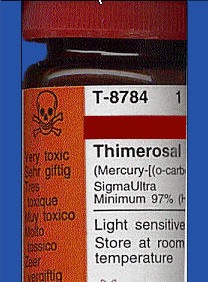
Thimerosal
, which is still used in the flu shot that is administered to pregnant
women and infants, can cause autism and other neurodevelopmental
disorders.
Dr. Hooker, a PhD scientist, worked with two members of
Congress to craft the letter to the CDC that recently resulted in his
obtaining long-awaited data from the CDC, the significance of which is
historic. According to Hooker, the data on over 400,000 infants born
between 1991 and 1997, which was analyzed by CDC epidemiologist Thomas
Verstraeten, MD, “proves unequivocally that in 2000, CDC officials were
informed internally of the very high risk of autism, non-organic sleep
disorder and speech disorder associated with Thimerosal exposure.” Factually, thimerosal is a mercury-containing compound that is a
known human carcinogen, mutagen, teratogen and immune-system disruptor
at levels below 1 part-per-million, and a compound to which some humans
can have an anaphylactic shock reaction. It is also a recognized
reproductive and fetal toxin with no established toxicologically safe level of exposure for humans.
In November, 1997, the U.S. Congress passed the Food and Drug
Administration Modernization Act, requiring the study of mercury content
in FDA-approved products. The review disclosed the
hitherto-unrecognized levels of ethylmercury in vaccines.
In July 1999, public-health officials announced that thimerosal would
be phased out of vaccines. The CDC, American Academy of Pediatrics, and
FDA insisted that the measure was purely precautionary. They requested
of all vaccine manufacturers to eliminate mercury from vaccines.
Elevated Risk of Autism When the results of the Verstraeten study were first reported outside
the CDC in 2005, there was no evidence that anyone but Dr. Verstraeten
within the CDC had known of the very high 7.6-fold elevated relative
risk of autism from exposure to Thimerosal during infancy. But now,
clear evidence exists. A newly-acquired abstract
from 1999 titled, “Increased risk of developmental neurologic
impairment after high exposure to Thimerosal containing vaccine in first
month of life” required the approval of top CDC officials prior to its
presentation at the Epidemic Intelligence Service (EIS) conference.
Thimerosal, which is 50% mercury by weight, was used in most childhood
vaccines and in the RhoGAM shot for pregnant women prior to the early
2000s. The CDC maintains there is “no relationship between
Thimerosal-containing vaccines and autism rates in children,” even
though the data from the CDC’s own Vaccine Safety Datalink (VSD)
database shows a very high risk. There are a number of public records to
back this up, including this Congressional Record from May 1, 2003
. The CDC’s refusal to acknowledge thimerosal’s risks is exemplified by
a leaked statement from Dr. Marie McCormick, chair of the
CDC/NIH-sponsored Immunization Safety Review at IOM. Regarding
vaccination, she said in 2001, “…we are not ever going to come down that
it [autism] is a true side effect…” Also of note, the former director
of the CDC, which purchases $4 billion worth of vaccines annually, is
now president of Merck’s vaccine division.
There are dozens of scientific inquiries and studies on the adverse effects of thimerosal, including gastrointestinal abnormalities and immune system irregularities. Thimerosal, is metabolized (converted) into the toxic and “harmful”
methylmercury. And then in turn, the harmful methylmercury is
metabolized (converted) into the most harmful, long-term-toxic,
“inorganic” mercury that is retained in bodily tissue.
“Inorganic” mercury is the end product of mercury metabolism.
Methylmercury subject groups confirm that the metabolic pathway for
mercury in the human and animal body consists in the
reduction/conversion of the harmful methylmercury into a more harmful
“inorganic” mercury which is tissue-bound, and long-term-toxic. Hence,
both the originating substance (methylmercury) and its
conversion/reduction, inorganic mercury are found.
Based on published findings by Dr. Paul King
, the metabolic pathway for organic mercury involves the conversion of
Ethylmercury (Thimerosal) into “methylmercury” and then the further
reduction of “methylmercury” into inorganic mercury.
Congress Must Act
Dr. Hooker’s fervent hope for the future: “We must ensure that this
and other evidence of CDC malfeasance are presented to Congress and the
public as quickly as possible. Time is of the essence. Children’s
futures are at stake.” A divide within the autism community has led to
some activists demanding that compensation to those with vaccine-injury
claims be the top priority before Congress. Dr. Hooker maintains that
prevention, “protecting our most precious resource — children’s minds,”
must come first. “Our elected officials must be informed about
government corruption that keeps doctors and patients in the dark about
vaccine risks.”
Referring to an organization that has seen its share of controversy
this past year, Dr. Hooker remarked, “It is unfortunate that SafeMinds
issued a press release on my information, is accepting credit for my
work and has not supported a worldwide ban on Thimerosal.”
Brian Hooker, PhD, PE, has 15 years experience in the field of
bioengineering and is an associate professor at Simpson University where
he specializes in biology and chemistry. His over 50 science and
engineering papers have been published in internationally recognized,
peer-reviewed journals. Dr. Hooker has a son, aged 16, who developed
normally but then regressed into autism after receiving
Thimerosal-containing vaccines.
Most people believe that fluoride
is beneficial and refuse to see the detriments of it. Additionally,
the same people have no idea where fluoride comes from and the numerous toxic
applications it is used on, such as the extermination of cockroach and
rats. In a recent peer review journal, fluoride has been classified as a
neurotoxin, similar to lead and arsenic, yet governmental and health agencies still insist that it is good for you.
Fluoride was found to be an equivocal carcinogen by the National Cancer Institute Toxicological Program.[1]
Further studies by the New Jersey Department of Health have now confirmed a 6.9 fold increase in bone cancer in young males.[2]
Earlier studies had found a 5% increase in all types of cancers in fluoridated communities.[3]
“In point of fact, fluoride causes more human cancer death, and causes it faster than any other chemical,” stated Dr. Dean Burk PhD who spent over three decades with the national cancer institute. Researchers suspect a connection to cancer because half of ingested fluoride is deposited in bones, and fluoride stimulates growth in the end of bones, where osteosarcoma occurs.
2. Most Developed Countries Do Not Fluoridate Their Water
Most developed nations do not fluoridate their water. In western Europe, for example, only 3%
of the population consumes fluoridated water. Only 11 countries in the
world have more than 50% of their population drinking fluoridated water:
Australia (80%), Brunei (95%); Chile (70%), Guyana (62%), Hong Kong
(100%), the Irish Republic (73%), Israel (70%), Malaysia (75%), New
Zealand (62%), Singapore (100%), and the United States (64%). In total,
377,655,000 million people worldwide drink artificially fluoridated
water. This represents 5% of the world’s population.
Leading scientists recently identified a dozen
chemicals as being responsible for widespread behavioral and cognitive
problems. But the scope of the chemical dangers in our environment is
likely even greater. Why children and the poor are most susceptible to
neurotoxic exposure that may be costing the U.S. billions of dollars and
immeasurable peace of mind.
Forty-one
million IQ points. That’s what Dr. David Bellinger determined Americans
have collectively forfeited as a result of exposure to lead, mercury,
and organophosphate pesticides. In a 2012 paper
published by the National Institutes of Health, Bellinger, a professor
of neurology at Harvard Medical School, compared intelligence quotients
among children whose mothers had been exposed to these neurotoxins while
pregnant to those who had not. Bellinger calculates a total loss of
16.9 million IQ points due to exposure to organophosphates, the most
common pesticides used in agriculture. Last month, more research brought concerns about chemical exposure
and brain health to a heightened pitch. Philippe Grandjean, Bellinger’s
Harvard colleague, and Philip Landrigan, dean for global health at Mount
Sinai School of Medicine in Manhattan, announced to some controversy in
the pages of a prestigious medical journal that a “silent pandemic” of
toxins has been damaging the brains of unborn children. The experts
named 12 chemicals—substances found in both the environment and everyday
items like furniture and clothing—that they believed to be causing not
just lower IQs but ADHD and autism spectrum disorder. Pesticides were
among the toxins they identified. “So
you recommend that pregnant women eat organic produce?” I asked
Grandjean, a Danish-born researcher who travels around the world
studying delayed effects of chemical exposure on children. “That’s what I advise people who ask me, yes. It’s the best way of
preventing exposure to pesticides.” Grandjean estimates that there are
about 45 organophosphate pesticides on the market, and “most have the
potential to damage a developing nervous system.” Landrigan had issued that same warning, unprompted, when I spoke to
him the week before. “I advise pregnant women to try to eat organic
because it reduces their exposure by 80 or 90 percent,” he told me.
“These are the chemicals I really worry about in terms of American kids,
the organophosphate pesticides like chlorpyrifos.” For decades, chlorpyrifos, marketed by Dow Chemical beginning in
1965, was the most widely used insect killer in American homes. Then, in
1995, Dow was fined $732,000 by the EPA for concealing more than 200
reports of poisoning related to chlorpyrifos. It paid the fine and, in
2000, withdrew chlorpyrifos from household products. Today, chlorpyrifos
is classified as “very highly toxic” to birds and freshwater fish, and
“moderately toxic” to mammals, but it is still used widely in
agriculture on food and non-food crops, in greenhouses and plant
nurseries, on wood products and golf courses. Landrigan
has the credentials of some superhero vigilante Doctor America: a
Harvard-educated pediatrician, a decorated retired captain of the U.S.
Naval Reserve, and a leading physician-advocate for children's health as
it relates to the environment. After September 11, he made news when he
testified before Congress in disagreement with the EPA’s assessment
that asbestos particles stirred into clouds of debris were too small to
pose any real threat. Landrigan cited research from mining townships
(including Asbestos, Quebec) and argued that even the smallest airborne
asbestos fibers could penetrate deeply into a child’s lungs. Chlorpyrifos is just one of 12 toxic chemicals Landrigan and
Grandjean say are having grim effects on fetal brain development. Their
new study is similar to a review the two researchers published in 2006,
in the same journal, identifying six developmental neurotoxins. Only now
they describe twice the danger: The number of chemicals that they
deemed to be developmental neurotoxins had doubled over the past seven
years. Six had become 12. Their sense of urgency now approached panic.
“Our very great concern,” Grandjean and Landrigan wrote, “is that
children worldwide are being exposed to unrecognized toxic chemicals
that are silently eroding intelligence, disrupting behaviors, truncating
future achievements and damaging societies.” The
chemicals they called out as developmental neurotoxins in 2006 were
methylmercury, polychlorinated biphenyls, ethanol, lead, arsenic, and
toluene. The additional chemicals they’ve since found to be toxins to
the developing brains of fetuses—and I hope you’ll trust me that these
all are indeed words—are manganese, fluoride, chlorpyrifos,
tetrachloroethylene, polybrominated diphenyl ethers, and
dichlorodiphenyltrichloroethane. Grandjean and Landrigan note in their research that rates of
diagnosis of autism spectrum disorder and ADHD are increasing, and that
neurobehavioral development disorders currently affect 10 to 15 percent
of births. They add that “subclinical decrements in brain
function”—problems with thinking that aren’t quite a diagnosis in
themselves—“are even more common than these neurobehavioral development
disorders.” In perhaps their most salient paragraph, the researchers say that
genetic factors account for no more than 30 to 40 percent of all cases of brain development disorders:
Thus, non-genetic, environmental exposures
are involved in causation, in some cases probably by interacting with
genetically inherited predispositions. Strong evidence exists that
industrial chemicals widely disseminated in the environment are
important contributors to what we have called the global, silent
pandemic of neurodevelopmental toxicity.
Silent pandemic. When public health experts use that
phrase—a relative and subjective one, to be deployed with
discretion—they mean for it to echo. When their paper went to press in the journal The Lancet Neurology, the media responded with understandable alarm:
“A ‘Silent Pandemic’ of Toxic Chemicals Is Damaging Our Children’s Brains, Experts Claim” - Minneapolis Post, 2/17/14
“Researchers Warn of Chemical Impacts on Children,” -USA Today, 2/14/14
“Study Finds Toxic Chemicals Linked to Autism, ADHD” - Sydney Morning Herald, 2/16/14
When I first saw these headlines, I was skeptical. It wasn’t news
that many of the chemicals on this list (arsenic, DDT, lead) are toxic.
With each of these substances, the question is just how much exposure
does it take to cause real damage. For instance, organophosphates aren’t
something that anyone would categorically consider safe, in that they
are poison. They kill insects by the same mechanism that sarin gas kills
people, causing nerves to fire uncontrollably. But like asbestos, they
are still legally used in U.S. commerce, with the idea that small
amounts of exposure are safe. The adage “the dose makes the poison” may
be the most basic premise of toxicology. And hadn’t we already taken
care of lead? Didn’t we already know that alcohol is bad for fetuses?
Wasn’t fluoride good for teeth? I found that the real issue was not this particular group of 12
chemicals. Most of them are already being heavily restricted. This dozen
is meant to illuminate something bigger: a broken system that allows
industrial chemicals to be used without any significant testing for
safety. The greater concern lies in what we’re exposed to and don’t yet
know to be toxic. Federal health officials, prominent academics, and
even many leaders in the chemical industry agree that the U.S. chemical
safety testing system is in dire need of modernization. Yet parties on
various sides cannot agree on the specifics of how to change the system,
and two bills to modernize testing requirements are languishing in
Congress. Landrigan and Grandjean’s real message is big, and it involves
billion-dollar corporations and Capitol Hill, but it begins and ends
with the human brain in its earliest, most vulnerable stages.
How Toxins Destroy Brains
About a quarter of your body’s metabolism goes toward operating and
maintaining your brain. In order to process even basic information,
billions of chemical signals are constantly being carried between
neurons. The undertaking is so onerous that even though your brain is
not moving (like, say, the powerful muscles in your legs), it uses
around 10 times more calories per pound than the rest of you. Most of that industrious brain and its 86 billion neurons were
created in a matter of months. During the first few weeks of gestation,
when your mother knew you only as morning sickness and you were a layer
of cells huddled in one corner of her uterus, those cells lined up,
formed a groove, and then closed to form a tube. One end of that tube
eventually became your tiny spinal cord. The rest expanded to form the
beginnings of your brain. For
a brain to develop properly, neurons must move to precise places in a
precise sequence. They do so under the direction of hormones and
chemical neurotransmitters like acetylcholine. The process is an
intricate, fast-paced dance on a very tiny scale. Each nerve cell is
about one hundredth of a millimeter wide, so it has to travel its own
width 25,000 times just to move an inch—which some neurons in the cortex
must. At any point, that cell can be knocked off course. Some of the
neurotoxins Grandjean and Landrigan discuss have the potential to
disrupt this journey, in a slight or serious fashion. By the third trimester, the surface of the brain begins
folding itself into wrinkled peaks and valleys, the gyri and sulci that
make a brain look like a brain. Specific areas of that cortex learn to
process specific aspects of sensation, movement, and thought, and that
starts in the uterus. As Grandjean explains this process in his 2013
book Only One Chance,
“Usage promotes function and structure, as the connectivity of the
brain cells is shaped by responses to environmental stimuli.” That is,
the fetal brain starts having experiences that form the basis for
learning and memory. The nature-nurture duality begins at conception. By age two, almost all of the billions of brain cells that you will
ever have are in their places. Except in the hippocampus and one or two
other tiny regions, the brain does not grow new brain cells throughout
your life. When brain cells die, they are gone. So its initial months of
formation, when the brain is most vulnerable, are critical. “During
these sensitive life stages,” Grandjean and Landrigan write, exposure
“can cause permanent brain injury at low levels that would have little
or no adverse effect in an adult.” Federal health officials are aware of this risk. The National
Institutes of Health, as Landrigan puts it, “finally woke up in the late
1990s to the fact that children are much more sensitive and vulnerable
to chemicals than adults are.” Over the past decade, the federal
government has invested substantially more money in looking at just how
pregnant women and children have been affected by industrial chemicals.
The EPA has awarded millions of dollars in related research grants, and
the NIH started funding a network of what it calls Centers for
Children’s Environmental Health and Disease Prevention Research. There
is one at Mount Sinai and another at Harvard (the respective homes of
Landrigan and Grandjean), and there are others at Columbia, UC Berkeley,
and elsewhere. Those centers have established strong research programs called
prospective birth-cohort studies. Scientists enroll pregnant female
subjects and carefully record objective measures of environmental
exposure, using things like blood samples, urine samples, and maybe even
dust and air samples from their homes. After the babies are born, the
researchers follow up with them at various points in their childhoods.
These studies are expensive and take a long time, but they’re
incomparably good at connecting prenatal exposures with lost IQ points,
shortened attention span, or emergence of ADHD. Functional
MRI reveals the effect of prenatal methylmercury exposure in three
adolescents. Subjectes were asked to tap the fingers of their left
hands. In the control group (row B), only the right side of the brain
was activated. In the subjects who had been exposed to methylmercury
(row A), an abnormal activation pattern shows that both sides are
involved. (The Lancet Neurology)“That’s the big
breakthrough,” Landrigan says. "The scientific community has mastered
the technique of doing these studies, and they’ve been running long
enough that they’re beginning to put out some spectacularly good
results.” At Columbia, for instance, the children’s center is
investigating whether children exposed in the womb to BPA and polycyclic
aromatic hydrocarbons (PAHs)—byproducts from burning fossil fuels—are
more likely to develop learning and behavior disorders than children not
exposed. They have also shown that high prenatal exposure to air
pollutants like PAHs are associated with attention problems, anxiety,
and depression at ages 5 to 7 years. It was this center, together with
the UC Berkeley and Mount Sinai children’s centers, that first
identified the detrimental impact of chlorpyrifos on IQ and brain
development. The researchers even used MRI testing to show that these
chemicals appear to change children’s brain structure, causing thinning
of the cortex. Other children’s centers are looking at the extent to
which these and other chemicals—including arsenic from well water,
brominated flame retardants, and the anti-corrosion agent manganese—are
to blame for a range of possible neurologic disorders. Impressive as all this research
investment is, the larger question remains: Why are we looking at these
hazards now—instead of before we introduced these chemicals into the
world?
The Insidious Rise of Lead
The problem with toxic substances is that their effects can be
insidious. Take the example of lead—a chemical that lingered in
gasoline, house paints, and children's toys for decades before
scientists realized the true extent of the damage. Several years ago,
a four-year-old boy in Oregon began complaining of stomach pain and
vomiting. Doctors reassured his parents that it was likely a viral
illness, but his symptoms worsened, and he became completely unable to
eat. He also had a badly swollen cheek. The doctors determined that the
boy had bitten himself, so severely that it must have been during a
seizure. Blood tests showed that he was anemic, and subsequent tests
found that he had extremely high levels of lead (123 micrograms per
deciliter of blood). The doctors began treating the boy with medication to help clear the
lead. They also set out to find out where the lead was coming from. An
investigation of the boy’s home, which was built in the 1990s, found no
lead paint. Despite treatment, though, the boy’s lead tests remained
abnormally high. So the doctors did an x-ray. Inside the boy’s stomach was a one-inch metal medallion, which
appeared bright white on the x-ray image. His parents recognized it as a
toy necklace they had purchased from a vending machine approximately
three weeks earlier. The state environmental quality lab later found
that the medallion contained 38.8 percent lead. The manufacturer later
did a voluntary recall of 1.4 million of the metal toy necklaces. A late 19th-century advertisement for lead paint (Boston Public Library)By
that time, manufacturers had been using the toxic substance for
centuries, despite clearly dangerous effects. In 1786, Benjamin Franklin
wrote to a
friend about the first time he heard of lead poisoning. When he was a
boy, he recounted, there had been “a complaint from North Carolina
against New England Rum, that it poisoned their people, giving them the
dry bellyache, with a loss of the use of their limbs. The distilleries
being examined on the occasion, it was found that several of them used
leaden still-heads and worms, and the physicians were of the opinion
that the mischief was occasioned by that use of lead.” Franklin went on
to describe his observations of similar symptoms in patients at a Paris
hospital. When he inquired about their occupations, he discovered that
these men were plumbers, glaziers, and painters. In 1921, General Motors began adding tetraethyl lead to gasoline.
Lead gave gasoline a higher octane rating, which meant it could handle
more compression without combusting. In practical terms, that meant more
powerful engines, faster warplanes, and better industrial transport.
The Ethyl Corporation that produced leaded gasoline was a joint venture
between GM, Standard Oil, and DuPont. One of its executives, Frank
Howard, called leaded gasoline “an apparent gift of God,”
even as the plant where tetraethyl lead was synthesized became known as
“the Houses of Butterflies,” because it was not uncommon for workers to
experience hallucinations of insects on their skin. Americans in the 1950s and ’60s were still widely exposed to
unregulated leaded gasoline and paint, as well as piping, batteries,
cosmetics, ceramics, and glass. Around that time, studies began to
reveal the widespread existence of “subclinical” lead poisoning—damage
that was not severe enough to meet diagnostic criteria for a neurologic
disease, but would prevent the child from ever achieving optimal
intellectual functioning. By 1969, microbiologist and
Pulitzer-Prize-winning writer René Dubos said that the problem of lead
exposure was “so well-defined, so neatly packaged, with both causes and
cures known, that if we don't eliminate this social crime, our society
deserves all the disasters that have been forecast for it.” Four-year-old Tanya Brinson is tested for lead paint poisoning at Boston City Hall in June 1975. (Peter Bregg/AP)By
the mid 1970s, the average U.S. preschool child had 15 micrograms of
lead per deciliter of blood. Eighty-eight percent of children had a
level exceeding 10 μg/dL—which istwice what the CDC currently considers toxic. Among poor black children, the average level was markedly higher: 23 μg/dL. Instead of making sweeping policy changes, experts largely accused
low-income parents—especially mothers—of inadequate supervision and
fostering pathological behaviors that led children to eat paint. With
parental ineptitude to blame, and poor, minority children bearing the
brunt of the problem, a systematic approach to eliminating lead was a
low national priority. Bellinger recounted this in theJournal of Clinical Investigation,
writing that children were essentially sentinels, used to identify the
presence of lead hazards. “As long as the ranks of the lead poisoned
consisted primarily of the children of politically and economically
disenfranchised parents,” he wrote, “it was hard to interest politicians
in the problem. Little political capital could be accumulated by
tackling the problem.” Finally in 1975, the EPA required a gradual phasing of lead out of
gasoline. Two years later, the Consumer Product Safety Commission said
that residential paint could contain no more than 0.06 percent lead. Jackie Lay, adapted from
Bellinger, Journal of Clinical InvestigationMeanwhile
there is still disagreement as to what constitutes a safe level of lead
exposure—and if there even is such a thing. As more and more evidence
came out over the years showing that low levels are in fact toxic to
developing brains, the CDC incrementally lowered that threshold—from 60
micrograms per deciliter of blood in 1970 to 40 in 1971, 30 in 1975, 25
in 1985, 10 in 1991, and finally to just five in 2012. By 2009 the average lead concentration in the blood Americans was
about 1.2 μg/dL for young children—just 8 percent what it was in 1980.
But Bellinger notes that even this relatively low level is still
“substantially elevated from an evolutionary perspective”—many times
higher than before our ancestors “began to disturb the natural
distribution of lead in the earth's crust.” “Are the blood lead levels of contemporary humans generally below the
threshold of toxicity?” Bellinger wrote. “Let us hope so, but the
conclusion that they are is based more on faith than on evidence.”
The Toothless Law and the New Test
It's surprising to learn how little evidence there is for the safety
of chemicals all around us, in our walls and furniture, in our water and
air. Many consumers assume there is a rigorous testing process before a
new chemical is allowed to be a part of a consumer product. Or at least
some process. “We still don’t have any kind of decent law on the books that
requires that chemicals be tested for safety before they come to
market,” Landrigan said. The law we do have is the Toxic Substances Control Act (TSCA, pronounced toss-ka
among those in the know). Passed in 1976 under President Gerald Ford,
it is still today the primary U.S. law regulating chemicals used in
everyday products. On its face intended to protect people and the
environment from dangerous chemical exposure, it is widely acknowledged
to have fallen short of its magnanimous goal. It only requires testing
for a small percentage of chemicals, those deemed an “unreasonable
risk.” “It’s just an obsolete, toothless, broken piece of legislation,” said
Landrigan. “For example, in the early 1990s, EPA was unable to ban
asbestos under TSCA.” This was after the National Toxicology Program had
classified asbestos as a known cancer-causing agent, and the World
Health Organization had called for a global ban. The EPA did briefly
succeed in banning asbestos in the U.S. in 1989, but a court of appeals
overturned the ban in 1991. Asbestos is still used in consumer products
in the U.S., including building materials like shingles and pipe wrap,
and auto parts like brake pads. Landrigan also calls it “a particularly egregious lapse” that when
TSCA was enacted, the 62,000 chemicals already on the market were
grandfathered in, such that no toxicity testing was required of them.
These chemicals were, as Landrigan puts it, “simply presumed safe” and
allowed to remain in commerce until a substantial health concern came to
public attention. In
the nearly 40 years since the law’s passage, more than 20,000 new
chemicals have entered the market. “Only five have been removed,”
Landrigan says. He notes that the CDC has picked up measurable levels of
hundreds of these chemicals in the blood and urine of “virtually all
Americans.” Yet, unlike food and drugs, they enter commerce largely
untested. Landrigan and Grandjean’s purpose in declaring a silent pandemic was
less about the 12 named substances and more about using them as
cautionary tales. They named in their list a few chemicals that still
appear be imminent threats, but they also include some that have been
highly restricted in their use for a long time. And at least one of
them, fluoride, has proven beneficial in small doses. “Fluoride is very much a two-edged
sword,” Landrigan said. “There’s no question that, at low doses, it’s
beneficial.” Flouride has been shown to prevent dental cavities and aid
skeletal growth. At higher levels, though, it causes tooth and bone
lesions. The epidemiologic studies cited by Grandjean and Landrigan,
which came from China, imply that high fluoride exposure has negative
effects on brain growth. “Are the exposure levels in China comparable to what we have in our drinking water and toothpaste?” I asked. “No, they’re probably higher,” Landrigan said. “In some places in
China, there are naturally high levels of fluoride in the groundwater,
which picks it up because it’s water-soluble.” “So your advice isn’t to take it out of our toothpaste?” “Not at all,” Landrigan said. “I think it’s very good to have in toothpaste.” He’s more concerned about flame-retardants—a group of compounds known
as polybrominated diphenyl ethers (PBDEs). These chemicals came into
vogue after their predecessors, called PCBs (polychlorinated biphenyl
ethers), were banned in 1979. By the time it became clear that PCBs
caused cancer—and a variety of other adverse health effects on the
immune, reproductive, nervous, and endocrine systems—they’d been put
into hundreds of industrial and commercial uses like plastics and rubber
products. So manufacturers switched to PBDEs and advertised PCB-free
products, assuming—or, at least, implying—that PBDEs wouldn’t cause
problems of their own. “California, at the urging of the chemical industry several years
ago, put the highest standard in the world on the levels of PBDEs that
needed to be included in them,” Landrigan explained. “The result is that
people in California have the highest levels of brominated flame
retardants in their bodies.” The state finally banned PDBEs in 2006, after studies from Columbia
showed high quantities of the compound in women’s breast milk and linked
it to IQ losses and shortening of attention span. Between 2008 and
2012, PDBE levels in the blood of California residents decreased by
two-thirds. Landrigan and Grandjean argue that stronger chemical safety
legislation could have made all of this back-peddling damage control
unnecessary. They don’t expect every chemical to go through long-term,
randomized control studies prior to its release. Rather, they want to
see industrial chemicals screened through a simple cell-based test. If
that test were to come out positive—if the cells in the petri dish
showed any kind of toxic reaction—then the chemical would be tested
further. A next step from there might be an
animal testing model. The drawbacks there, Grandjean told me, are that
“those programs are expensive, they take time, you have to kill hundreds
and thousands of mice and rats.” However, he adds, “if a company has
developed a very useful substance, and it turns out to be toxic to nerve
cells in petri dishes, then maybe animal testing is the next step.” “I don’t think that that should necessarily be a requirement,”
Grandjean said. “But I can see if a company has developed a very useful
substance, and it turns out to be toxic to nerve cells in petri dishes,
then maybe that is the next step.” Landrigan and Grandjean both mentioned something they called Tox21,
the Toxicology in the Twenty-First Century program program, which is
laying groundwork for a new kind of accelerated, large-scale testing.
“TSCA reform really falls under EPA’s jurisdiction,” Landrigan said. “At
the NIH and National Institute of Environmental Health Sciences,
though, that’s where the latest research on this is.” When
I heard that this Tox21 program is teaching a very large yellow robot
to do large-scale rapid chemical testing, I had to learn more. Dr. Linda
Birnbaum is the director of the National Institute of Environmental
Health Sciences and the National Toxicology Program in North Carolina’s
Research Triangle. Birnbaum oversees federal funding for research to
discover how the environment influences health and disease, including
Tox21. “If you want to do the full battery of current tests that we have on a
chemical, you’re looking at least five years and about $5 million,”
Birnbaum told me. “We’re not going to be able to do that on large
numbers of chemicals.” The robot is being trained to scan thousands of
chemicals at a time and recognize threats inexpensively and
quickly—before people get sick. It’s also using alternative testing
models—looking at not just isolated cells, but also simple organisms
like the roundworm C. elegans or zebrafish—to answer certain basic questions. The Tox21 robot screening system at the NIH
Chemical Genomics Center in Rockville, Maryland. This robot is part of a
program that is refining a process to test industrial chemicals for
safety quickly and efficiently. It places chemicals on plates with more
than 1,500 wells that contain different types of human or rodent cells.
(NIH)The program is also
looking at how a single chemical might affect a wide range of people.
“We’re looking at 1,000 different human genomes from nine different
ethnic groups on five continents,” Birnbaum told me. Like Landrigan, Birnbaum raised the specter of the tens of thousands
of chemicals grandfathered in 1976 that underwent no testing, as well as
the commonly cited data that less than 20 percent of the 80,000
chemicals in commerce have had any testing at all. She spoke wistfully
of the European Union’s chemical testing protocol, a model Grandjean had
told me was “very reasonable.” It’s called REACH (Registration,
Evaluation, Authorization, and Restriction of Chemicals), and it
involves a tiered approach to regulation: If a compound is produced in
small amounts, only some cursory information is required. If greater
amounts are produced or imported, the EU requires more in-depth testing,
such as animal experiments and two-generation studies. “We’ve learned a heck of a lot in the last 30 to 40 years about the
safety of chemicals and what can cause problems,” Birnbaum said, “and it
would be really nice if our regulations required us to use some of the
newer science to answer the questions of safety.”
Don’t Panic?
“When you use the word pandemic, that’s a scare word,” said
Laura Plunkett. “And that’s my problem. There’s a more responsible way
to express it. I understand that they want to bring it to attention, but
when you bring it to attention, you can still do it in what I would say
is a scientifically defensible manner.” Plunkett has a Ph.D. in pharmacology and toxicology. Reviewing articles written in the wake of the publicity around The Lancet Neurology
paper, I was struck by the definitive title of her blog post on a site
called Science 20: “There Is No Pandemic of Chemicals Causing Brain
Disorders in Children.” Plunkett has been a diplomat for the American
Board of Toxicology since 1984. She taught for a while and did research
at NIH, but she is now an independent consultant running her own
company, Integrative Biostrategies. One
of her clients is the American Chemistry Council. She also has clients
in the food, pesticide, and chemical business—“industry ties,” as they
say. With that in mind, I sought her out as an established scientist who
has worked on the side of the chemical-producing companies. Her blog
post about the Lancet article was the only response I found telling people not to panic. “What [Landrigan and Grandjean] are doing with the data is missing
the key component, which is the dose,” Plunkett explained. “Many of the
chemicals they talk about are well established to be neurodevelopmental
toxicants in children—but it’s all about how much they’re exposed to.
Just like anything else. If you don’t give people enough, or if you
don’t take enough in your water or food or the air you breathe, you’re
not going to have an effect.” Plunkett insists that, unlike lead, some of the chemicals on the Lancet Neurology
list are only developmental toxicants at very high levels—the sort, she
says, “that nobody would be exposed to on a daily basis.” Plunkett says she has no problem with a call to ensure that chemical
testing is as thorough as possible. “But then to say, and by the way, if
you look at the data, ‘We’ve been poisoning people for the last 10
years’? That’s a whole other step that isn’t supported by the data they
point to.” I asked her how concerned American parents should be about certain
individual chemicals on Grandjean and Landrigan’s list. “I mean, we knew
lead was a problem 30 years ago,” she said, “and that’s why we removed
it from gasoline, and that’s why we don’t let it in solder and cans, and
we’ve taken lead-based paint off the market.” “If you really look at the data on fluoride,” she continued, “trying
to link an IQ deficit in a population with that chemical is almost
impossible to do. Even though statistically, randomly they may have
found a relationship, that doesn’t prove anything—it identifies a hazard
but doesn’t prove there’s a cause and effect between the two things.” What about the chemical that most concerned Landrigan, the pesticide chlorpyrifos? “No, because the organophosphate pesticides are one of the most
highly regulated groups of chemicals that are out there. The EPA
regulates those such that if they’re used in agriculture, people are
exposed to very, very low levels.” Pesticides are indeed more regulated than other industrial chemicals.
Before manufacturers can sell pesticides in the U.S., the EPA must
ensure that they meet federal standards to protect human health and the
environment. Only then will the EPA grant a "registration" or license
that permits a pesticide's distribution, sale, and use. The EPA also
sets maximum levels for the residue that remains in or on foods once
they’re sold. An EPA spokesperson told me that a company introducing a new
pesticide must “demonstrate more than 100 different scientific studies
and tests from applicants.” The EPA also said that since 1996’s Food
Quality Protection Act, it has added “an additional safety factor to
account for developmental risks and incomplete data when considering a
pesticide’s effect on infants and children, and any special sensitivity
and exposure to pesticide chemicals that infants and children may have.”
Landrigan and Grandjean don’t believe that’s always sufficient; the
dose may make the poison, but not everyone believes the EPA’s limits are
right for everyone. When I asked Plunkett whether new industrial chemicals were being
screened rigorously enough, even she cited the need to strengthen the
Toxic Substances Control Act of 1976. “I’m a very strong proponent of
fixing the holes we have,” she said, “and we do have some holes under
the old system, under TSCA, and those are what the new improvements are
going to take care of. They’re going to allow us to look at the
chemicals out there we don’t have a lot of data on—and really those are
the ones I’m more concerned about.”
The High Price of Lost IQ
Everyone I spoke to for this story agreed that TSCA needs to be
fixed. But every attempt has met with bitter opposition. All parties
want it to happen; they just want it to happen on their own terms.
Unless it does, they don’t want it to happen at all. Last May, a bipartisan group of 22 senators, led by Frank Lautenberg
and David Vitter, introducing the Chemical Safety Improvement Act of
2013. Lautenberg, then 89 years old, was the last surviving World War II
veteran in the Senate and a longtime champion of environmental safety.
(Among other things, he wrote the bill that banned smoking on commercial
airlines.) A month after he introduced his TSCA reform bill, Lautenberg
died of pneumonia. After Lautenberg’s death, Senator Barbara Boxer told reporters the
bill “would not have a chance” of passing without major changes. “I will
be honest with you,” said Boxer, who chairs the Committee on
Environment and Public Works, “this is the most opposition I’ve ever
seen to any bill introduced in this committee.” Some of the resistance
came from environmental and health advocates who felt the bill would
actually make it harder for states to regulate the chemicals that were
grandfathered in by TSCA. Their fears intensified in January, after
10,000 gallons of a coal-processing substance poured into West
Virginia’s Elk River, contaminating a nearby water treatment plant. (The Wall Street Journal
reported, “Little is known about the chemical's long-term health
effects on people, although it isn't believed to be highly toxic.”) In
February, with Lautenberg’s bill stalled in the Senate committee,
Republican Representative John Shimkus seized the opportunity to
introduce another reform option called the Chemicals in Commerce Act.
The chemical industry applauded Shimkus’ bill—it won support from the
American Chemistry Council, American Cleaning Institute, and the Society
of Chemical Manufacturers and Affiliates. Earlier this month at the
GlobalChem conference in Baltimore, Dow Chemical’s Director of Products
Sustainability and Compliance Connie Deford said that TCSA reform was in
the interests of the chemical sector, acknowledging that consumer
confidence in the industry is at an all-time low. Yet the Chemicals in Commerce Act has provoked strong
criticism from groups like the Center for Environmental Health and the
Natural Resources Defense Council. A senior scientist with the
Environmental Defense Fund called the bill “even more onerous and
paralyzing” than the present law, and Representative Henry Waxman,
ranking member of the House Energy and Commerce Committee, said the bill
“would weaken current law and endanger public health.”
I asked the EPA to comment on Landrigan and Grandjean’s claim that we
are in the midst of a “silent pandemic” and inquired what, if anything,
is being done about it. The agency responded by sending me a statement:
“EPA has taken action on a number of the chemicals highlighted in this
report which have and are resulting in reduced exposures, better
understanding, and more informed decisions.” The agency included a list
of the actions it has already taken to reduce exposure to the chemicals
identified in the report. (See sidebar.) And it emphasized a 2012 “Work
Plan,” which includes plans to assess more than 80 industrial chemicals
in the coming years.
When I emailed the statement to Landrigan, he replied, “Many of the
items that they list here are things that I helped to put in place.” (In
1997, he spent a sabbatical year setting up EPA’s Office of Children’s
Health Protection.) He agreed that the EPA is doing a lot to protect
children from environmental threats. “But the problem is that the good
people within EPA are absolutely hamstrung by the lack of strong
legislation,” he wrote. “They can set up research centers to study
chemicals and outreach and education programs, but without strong and
enforceable chemical safety legislation, they cannot require industry to
test new chemicals before they come to market, and they cannot do
recalls of bad chemicals that are already on the market.”
Meanwhile, researchers like David Bellinger, who calculated IQ
losses, are highlighting the financial cost to society of widespread
cognitive decline. Economist Elise Gould has calculated that a loss of
one IQ point corresponds to a loss of $17,815 in lifetime earnings.
Based on that figure, she estimates
that for the population that was six years old or younger in 2006, lead
exposure will result in a total income loss of between $165 and $233
billion. The combined current levels of pesticides, mercury, and lead
cause IQ losses amounting to around $120 billion annually—or about three
percent of the annual budget of the U.S. government.
Low-income families are hit the hardest. No parent can avoid these
toxins—they’re in our couches and in our air. They can’t be sweated out
through hot yoga classes or cleansed with a juice fast. But to whatever
extent these things can be avoided without better regulations,
it costs money.
Low-income parents might not have access to organic
produce or be able to guarantee their children a low-lead household.
When it comes to brain development, this puts low-income kids at even
greater disadvantages—in their education, in their earnings, in their
lifelong health and well-being.
Grandjean compares the problem to climate change. “We don’t have the
luxury to sit back and wait until science figures out what’s really
going on, what the mechanisms are, what the doses are, and that sort of
thing. We’ve seen with lead and mercury and other poisons that it takes
decades. And during that time we are essentially exposing the next
generation to exactly the kind of chemicals that we want to protect them
from.”